
We Win When We Take Action!
People power works. When we band our voices together, we can change the minds of politicians and decision makers. Once you get started, these actions take less than a minute. Please add your voice!
Join Forces! ACT NOW on the latest threats:
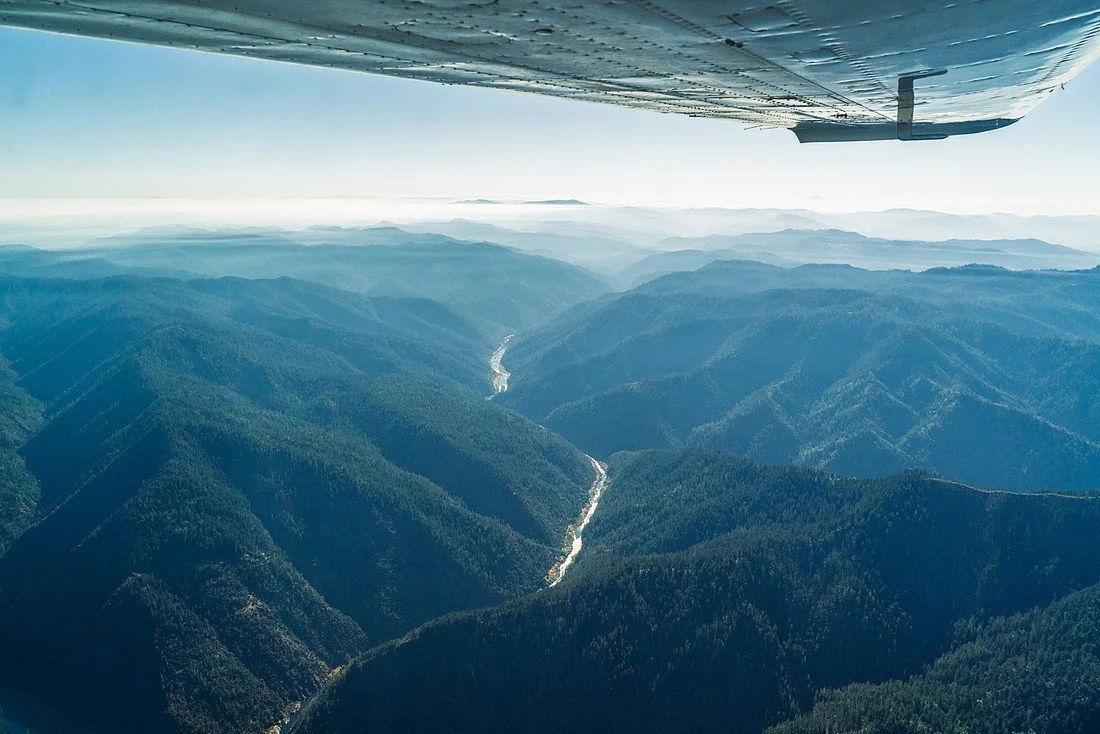
TAKE ACTION: The Trump Administration is pushing to eliminate the Roadless Rule - a bedrock protection for over 45 million acres of roadless public lands across the nation. Help us defend our shared public lands through the Roadless Rule today →
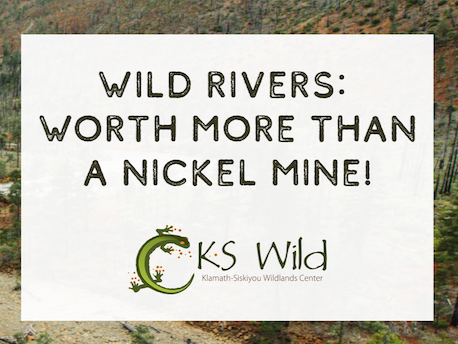
Canadian mining company, Homeland Nickel, has revived claims across thousands of acres of public lands all across southern Oregon. Take action today to help us protect our wild rivers!

🚨 URGENT ACTION NEEDED: Send a letter to your senator opposing the sell-off of millions of acres of public lands!

The Medford BLM is back at it. They’re targeting forest reserves…again…this time outside of Williams, OR in the footprint of their unsuccessful Late Mungers timber sale. Click to learn more and take action!

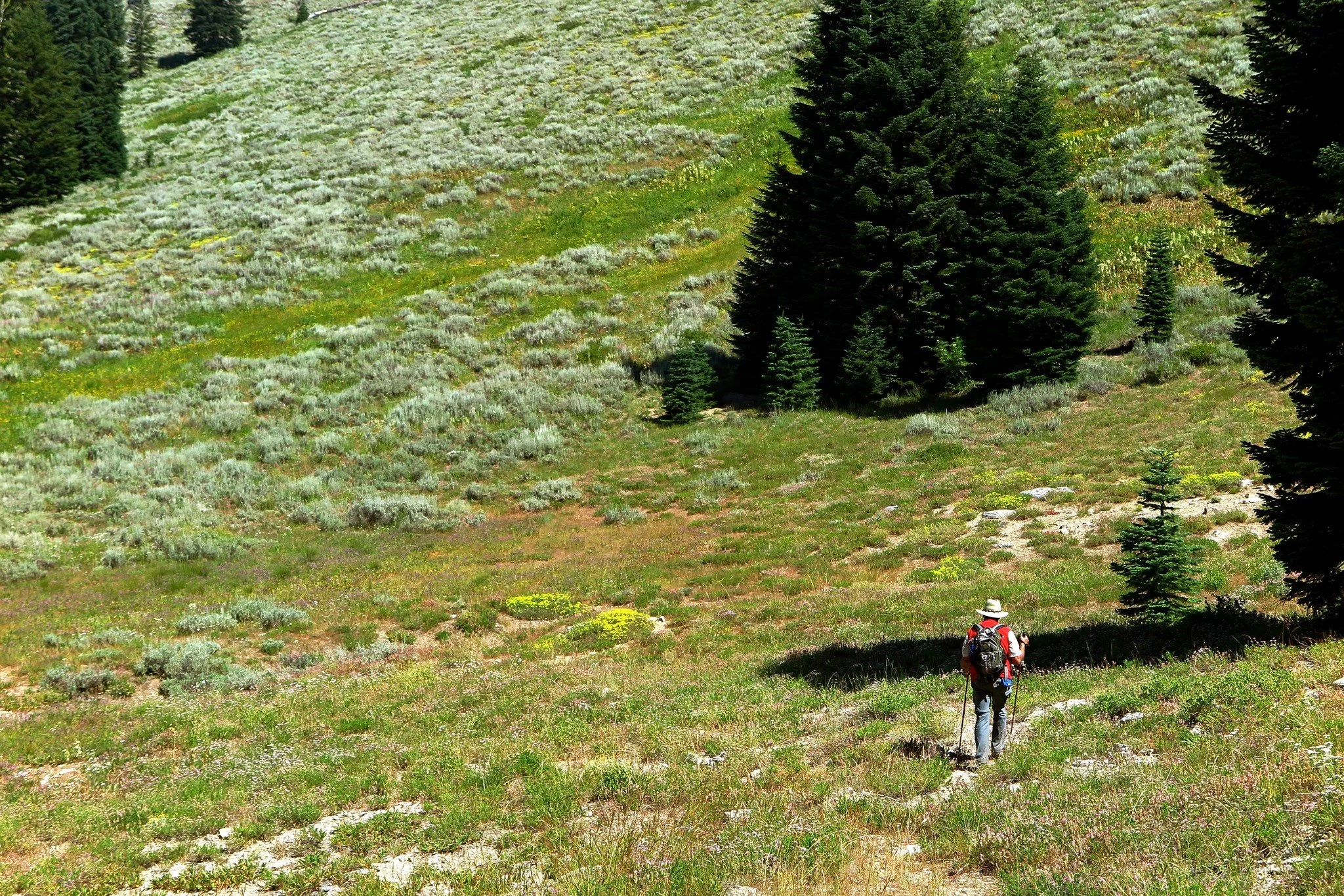
Join us for this moderate 6-mile hike into the McDonald Peak Roadless Area to connect with your roadless public lands, learn more about how the Roadless Rule has worked to successfully protect places like this, and take ACTION with us to stand up against the rollback of the 2001 Roadless Rule.
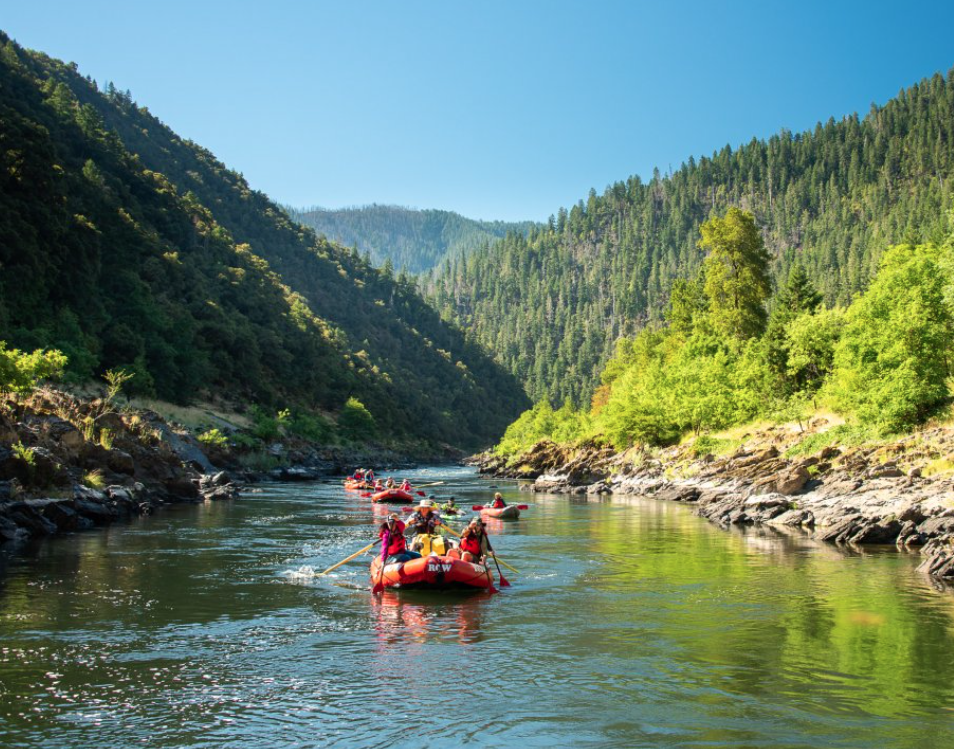
Experience the Wild & Scenic Rogue River for yourself on this multi-day whitewater rafting trip with ROW Adventures. Your trip cost benefits Rogue Riverkeeper. Learn more here.
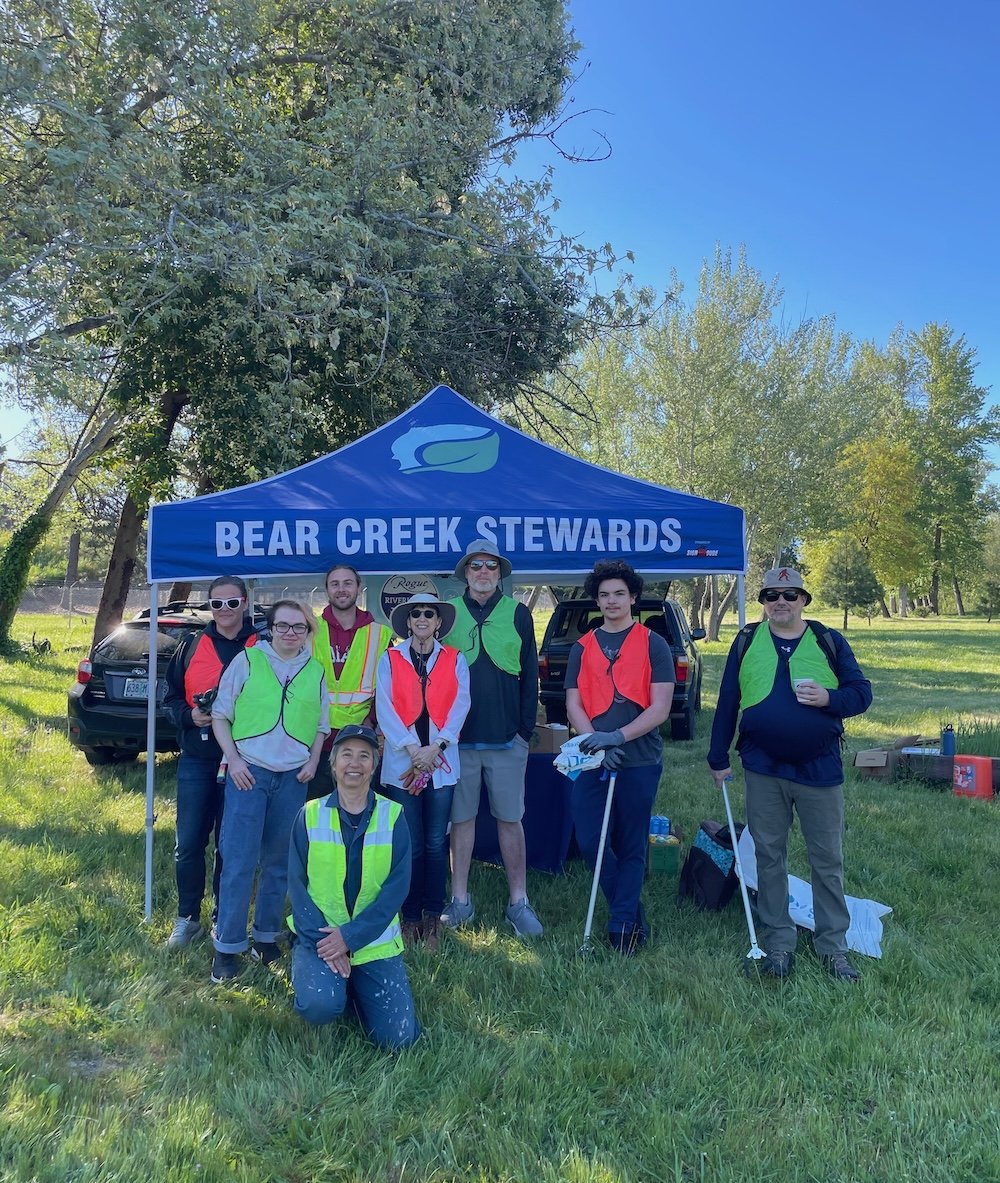
Join Rogue Riverkeeper, Stop Oregon Litter and Vandalism (SOLVE), Jackson County Parks & Recreation, Rogue Valley Council of Governments, and other groups and volunteers, and other in clean-up and restoration tasks focused on Bear Creek.

Join us to see the iconic Rainie Falls on the Rogue River. We will hike to the rocks overlooking the falls and look for fall run Chinook salmon as they try to jump the falls on their way to seek spawning areas upstream.
You are invited to join KS Wild and Rogue Riverkeeper for our premier party of the year—our Annual Dinner! We’ll have live music, an open bar, a catered meal, a live auction, a special guest speaker, and more! You won’t wanna miss it. Get your tickets here.
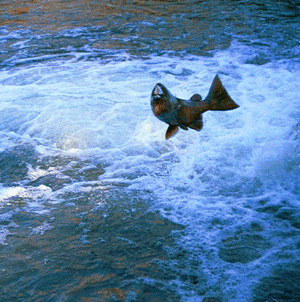
The trail at McGregor Park along the Upper Rogue River is a quiet, leafy walk. We will stop at locations along the river to look for spawning Chinook salmon who start arriving here in early September. We will also drive a short distance to Big Butte Creek where there is typically a good view of spawning fish visible from the Crowfoot Road bridge.
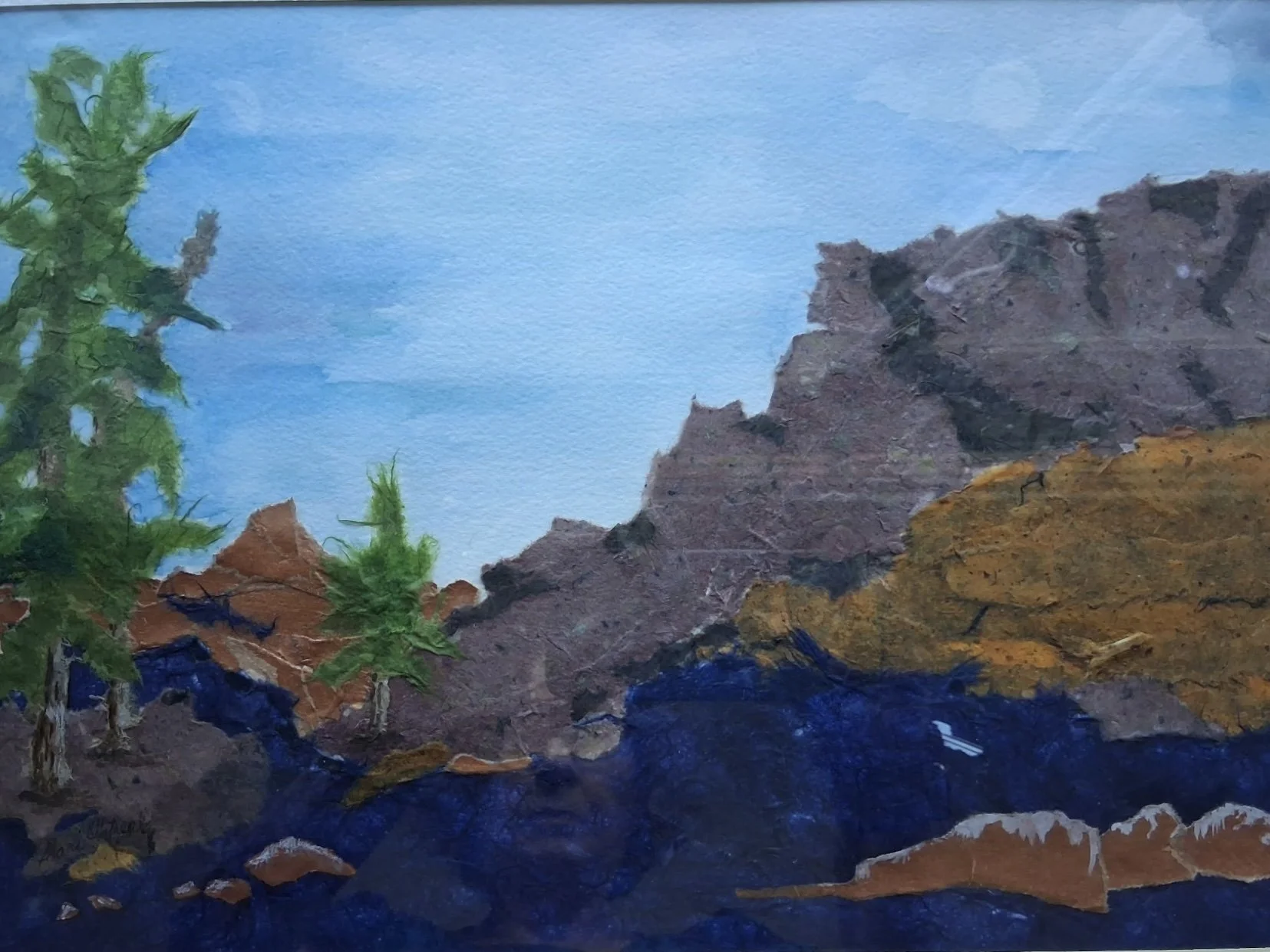
Join Shari O'Neal for her first solo art show in over 15 years at the KS Wild and Rogue Riverkeeper office as part of our First Friday art shows. Shari will be donating 15% of her sales proceeds to KS Wild. Wine and refreshments provided.
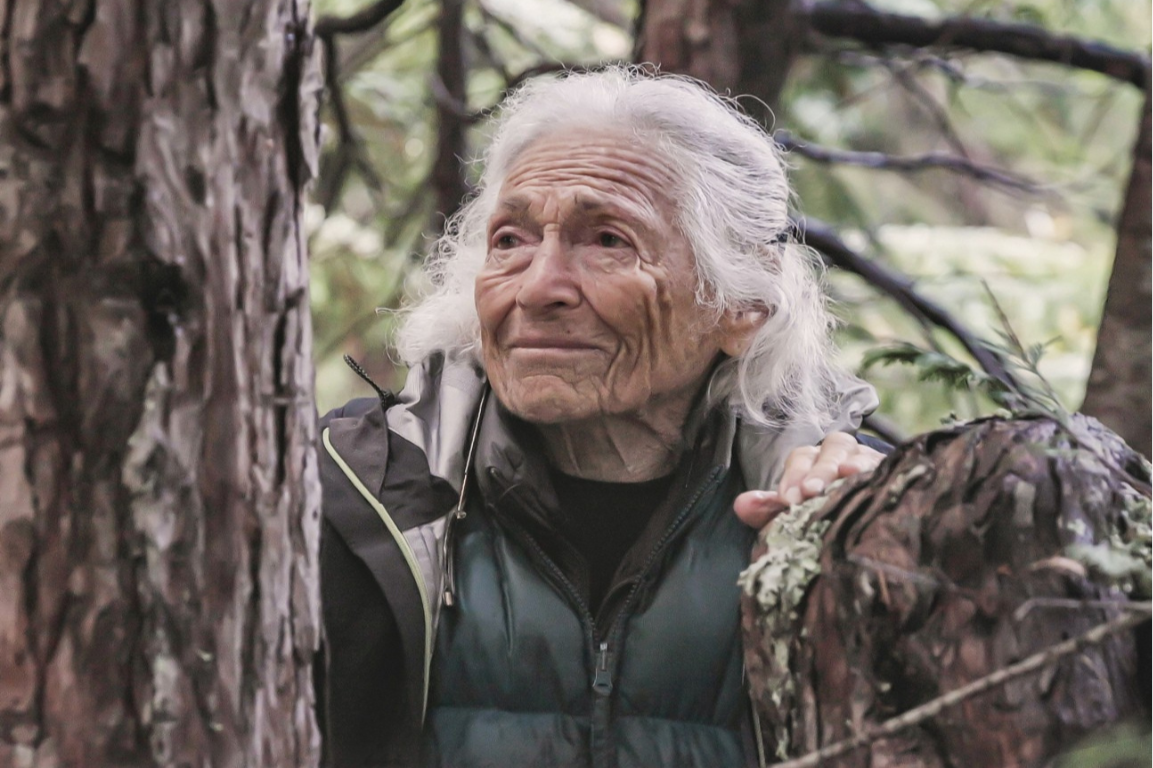
Join us on Armistice Day, November 11th, at the SOU Music Recital Hall for a tribute to beloved local activist Dot Fisher-Smith and a fundraiser benefiting two organizations close to her heart: KS Wild and Peace House.