
The Wildest Place on the West Coast
The rugged Klamath-Siskiyou Ecoregion of southwestern Oregon and northwestern California is a world-renowned hub of biological diversity. The mountains and rivers that define this region are some of the most spectacular in America. The flora and fauna are absolutely unparalleled.
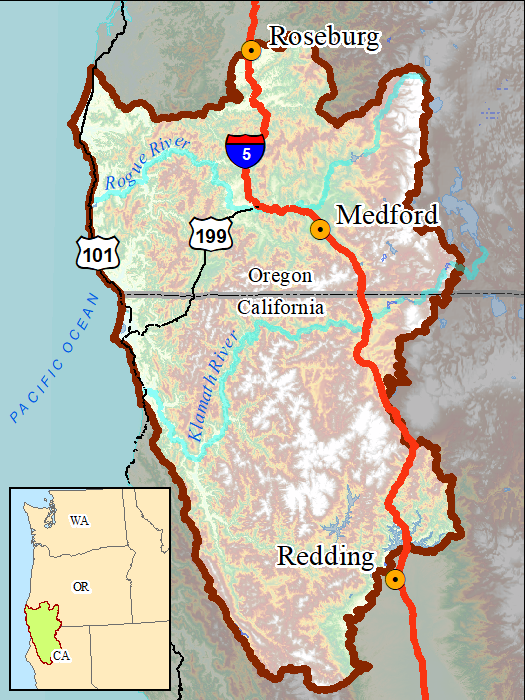
Straddling the Oregon-California border, the Klamath-Siskiyou (“the KS”) is quite simply the wildest place left on the U.S. West Coast. From deep into Mexico through well into Canada, no coastal region can boast of a larger concentration of intact watersheds or roadless wildlands.
Covering nearly 11 million acres, the KS is dominated by the extensive Rogue and Klamath River watersheds. The region stretches from the edge of Oregon’s Umpqua River valley in the north to touch California's wine country in the south. It rises from the depths of the mighty Pacific Ocean in the west to an elevation of nearly 10,000 feet among the glaciers of the volcanic Cascade Mountains crest. Almost 8 of the 11 million acres of the KS are publicly owned lands.
The wild nature of the KS is globally recognized. The region is designated by the International Union for the Conservation of Nature as one of only seven Areas of Global Biological Significance on the continent of North America and the KS has been proposed as both a World Heritage Site and UNESCO Biosphere Reserve.

The KS: Ancient, Complex, Diverse
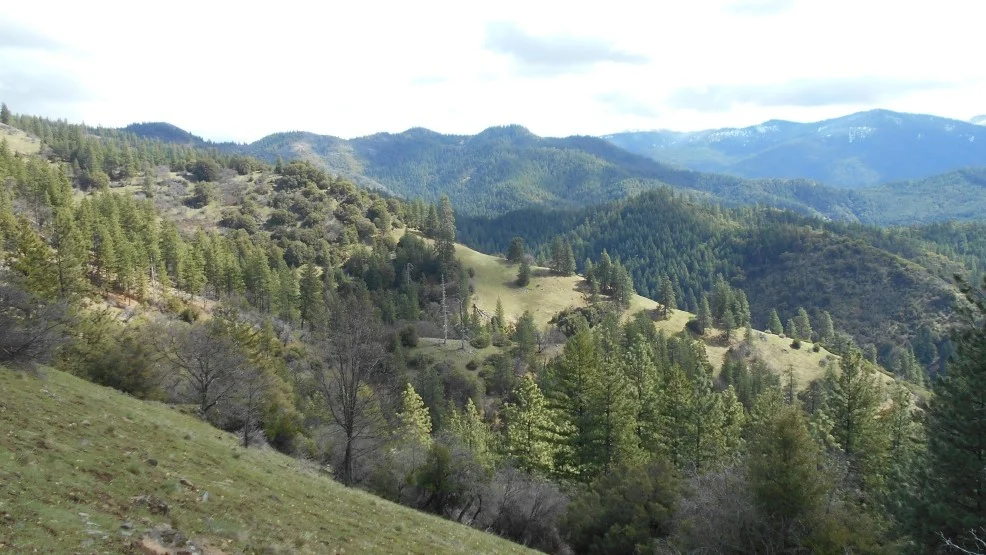
A tangle of sharp-edged, forested mountains cut by wild, salmon-strewn rivers, geologists often refer to the ancient KS ecoregion as "The Klamath Knot." It is a region that ties together many of the great ecosystems of the U.S. West. Cascadia lies to the North, the Great Basin Desert to the East. In the South, the KS borders the Redwood Coast, California’s Central Valley, and the Sierra Mountains. It is this great tying together of ecosystems that makes the KS so diverse.
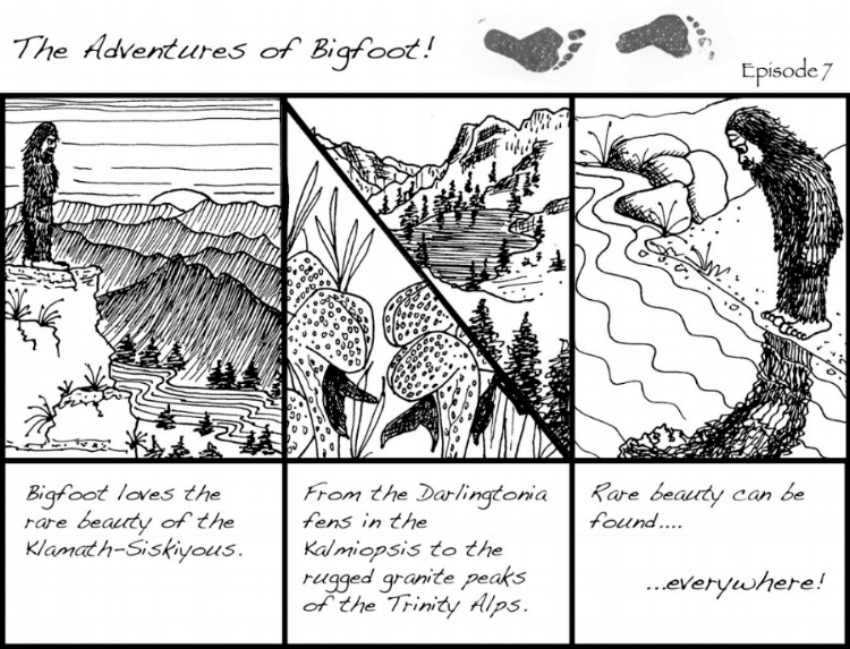
Ask anyone, the Klamath-Siskiyou is Bigfoot country.
The Klamath Mountains originated 200-400 million years ago as a volcanic island arc, which was accreted onto the moving North American continent. Sediments were repeatedly uplifted, folded, and mixed with the granites of the ancient seafloor bedrock. Intruding into this mixture are large geological masses formed under extreme pressure in the earth's interior: peridotite and serpentine. Because of the manner of their formation, these rocks are deficient in some minerals (including calcium and potassium) and are heavily laden with others (especially magnesium, iron, and nickel).
Of particular interest is the fact the region largely remained free from glaciers during the last Ice Age when most of the continent was under ice. The KS, therefore, acted as a rare refuge for plants and animals otherwise displaced across North America. The region's history with fire has also contributed to a rich landscape that changes at most every bend. The KS mountains and valleys offer a complex mosaic of habitats, allowing diverse species to mingle and create unique communities.
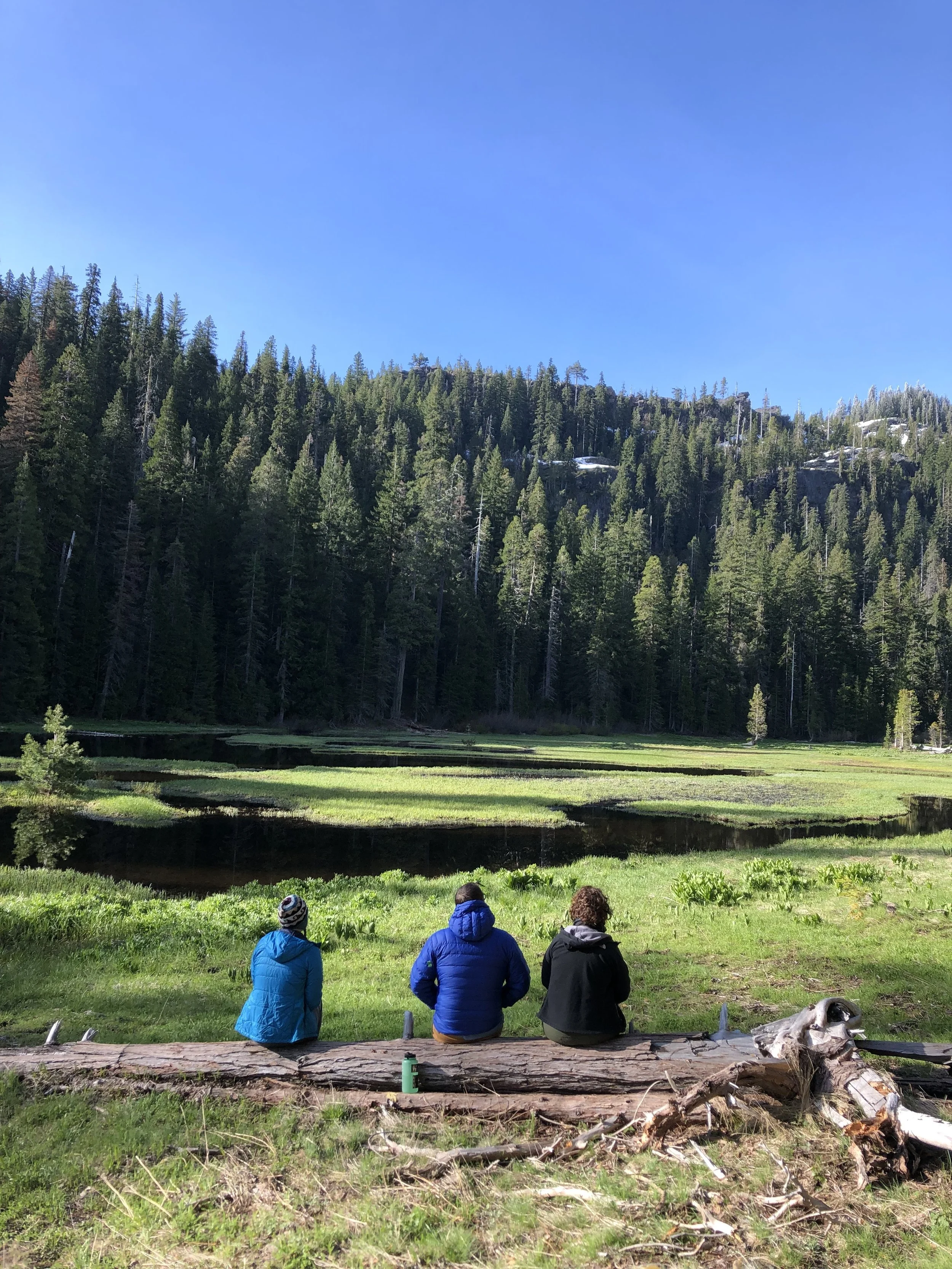
Precipitation also varies radically across the KS, from arid regions with less than 20 inches per year to nearby, soaking wet forests that average over 100 inches. On the eastside of the KS, ancient, gnarled juniper trees mix with sage and grasses, while on the west side one can find majestic coastal redwood rainforests, towering ferns, and hillsides of azaleas.

The Wild & Scenic Illinois River at Klondike Creek
Wild and Scenic Rivers Like Nowhere in the Lower 48
More than anything, the KS is defined by its spectacular wild rivers. The mighty Rogue River in the north and the famous Klamath River in the south are separated by the rugged Siskiyou Mountains along the Oregon-California border. Portions of both of these rivers are designated by Congress as Wild and Scenic Rivers. Other KS rivers similarly honored and protected as Wild and Scenic include the Smith, the Salmon, the Illinois, and the Chetco. Together, the KS boasts the largest concentration of Wild and Scenic Rivers outside of Alaska.
These river systems support wild populations of salmon and steelhead, ancient sturgeon, and numerous other aquatic species. The fish, the whitewater, the scenery, and the solitude attract people from around the world to enjoy an experience increasingly hard to find anywhere. These visitors in turn do much to support local economies.
Of course, the rivers themselves are supported by millions of acres of intact, forested uplands that deliver a tremendous volume of clean, cold water to keep those wild rivers healthy and flowing. KS wildlands bequeath KS wild rivers.

Hundreds of Plants (including Trees!) Found Nowhere Else on Earth
A hike through the KS is an ever-changing revelation of spectacular landscapes. As trails wind up, down and around mountains and across creeks you might find yourself deep in mixed evergreen or subalpine forests; the next minute crossing serpentine vegetation carpeted with bright wildflowers; in a dark, dank redwood forest or an open pine and oak woodland; then across savannahs, meadows, scree or even ice fields.
The KS supports an unbelievable 36 different species of conifers, more than any other temperate forest in the world. In fact, two KS conifers grow nowhere else on the planet: the Port-Orford cedar and Brewer's or Weeping spruce. Many other conifers reach the edge of their range in the KS, such as Englemann spruce and Alaska yellow cedar.
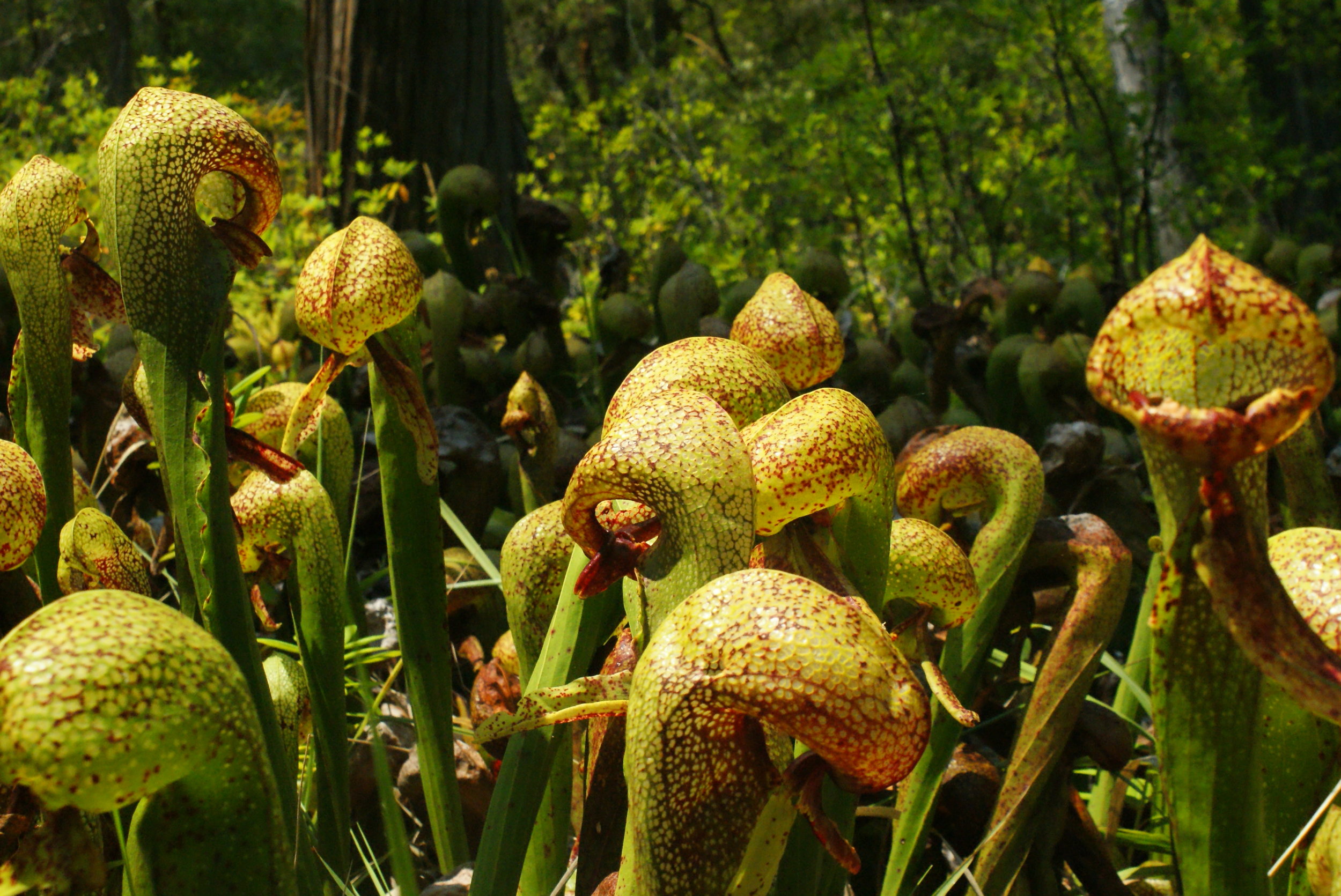
The region is also well known for its vast array of rare and unusual flowering plants. An estimated 3,500 vascular plant species can be found here and 280 of those are found nowhere else in the world. Rare plants include the carnivorous Cobra lily, the extremely local Mt. Ashland lupine, the curious Henderson's horkelia, the retiring lavender paintbrush, carpets of Yreka phlox, and beautiful Gentner's fritillaria.



The KS Has Wolves! (And a Bunch More Wildlife Too)
As you would expect, the KS is also home to abundant wildlife. Deer, elk, black bears, bobcats, and mountain lions are common. Hundreds and hundreds of bird species are also commonly found here. But rare and endangered species like Pacific Fisher, spotted owls, marbled murrelets, and rare amphibians such as the Siskiyou Mountain and Scott Bar salamanders also make the KS home.
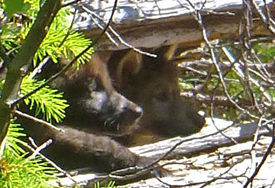
The wild KS was the first place in Western Oregon and California to welcome back breeding pairs of gray wolves. Pictured here are the wolf pups!
Sadly, some species remain extirpated from the region and will require concerted efforts to return, including pronghorn, bighorn sheep, lynx, wolverine, and grizzly bear.
Wolves however represent a wonderful story of return. The wild KS was the first place in Western Oregon to welcome back a breeding pair of gray wolves. The KS was also the conduit for the first return of wolves to California in almost 100 years. Wolves are now breeding in and near several KS locations in both states and the KS remains the only ecoregion on the West Coast with wolves. Every indication suggests they will continue to spread throughout much of their former range here.


Did We Mention the Wildest Place on the West Coast?


The KS is the wildest place on the West Coast for a variety of reasons. The rugged terrain made the region more difficult to exploit than the rest of the coast. The amazing diversity of landscapes meant one-size-fits-all exploitation was not possible. Low population densities left a sizeable portion of the land under federal control. But perhaps most importantly, the KS is a place people love and fight hard to defend.
Permanent protection of public lands takes a wide variety of forms. The western portion of Crater Lake National Park is in the KS as are the Cascade-Siskiyou and Oregon Caves National Monuments. The KS is home to portions or all of an amazing 15 different federally designated Wilderness Areas, with several others just outside the KS boundaries. Among these most protected of places, the huge Trinity Alps, Marble Mountain, Siskiyou, and Kalmiopsis Wilderness Areas anchor the region.
In these wildest of landscapes, nature continues to thrive and evolve much as it has for many thousands of years. The reflection of granite mountains in a freshly melted high elevation lake in the Marbles or Trinities inspires awe. A rattled warning from a western rattlesnake among the scorching red rock of the Kalmiopsis inspires respect. A multi-day float with friends through the challenging whitewater of the Wild Rogue Wilderness inspires gratitude. KS Wilderness is the heart of what is wild.
Love Where You Live, Defend What You Love
Mountains and rivers, flora and fauna, scenery and solitude. To experience the KS is to fall in love with it. And once you love it, you are on the team dedicated to defending it. That’s why the unofficial motto of KS Wild is “Love where you live, defend what you love.” Whether you live here too, are just a visitor, or will only ever admire from afar, we hope you will join us in protecting this critically important and incredibly beautiful place.