Mt. Ashland Ski Expansion
Document Actions
Destroying Wildlands and Developing Roadless Areas
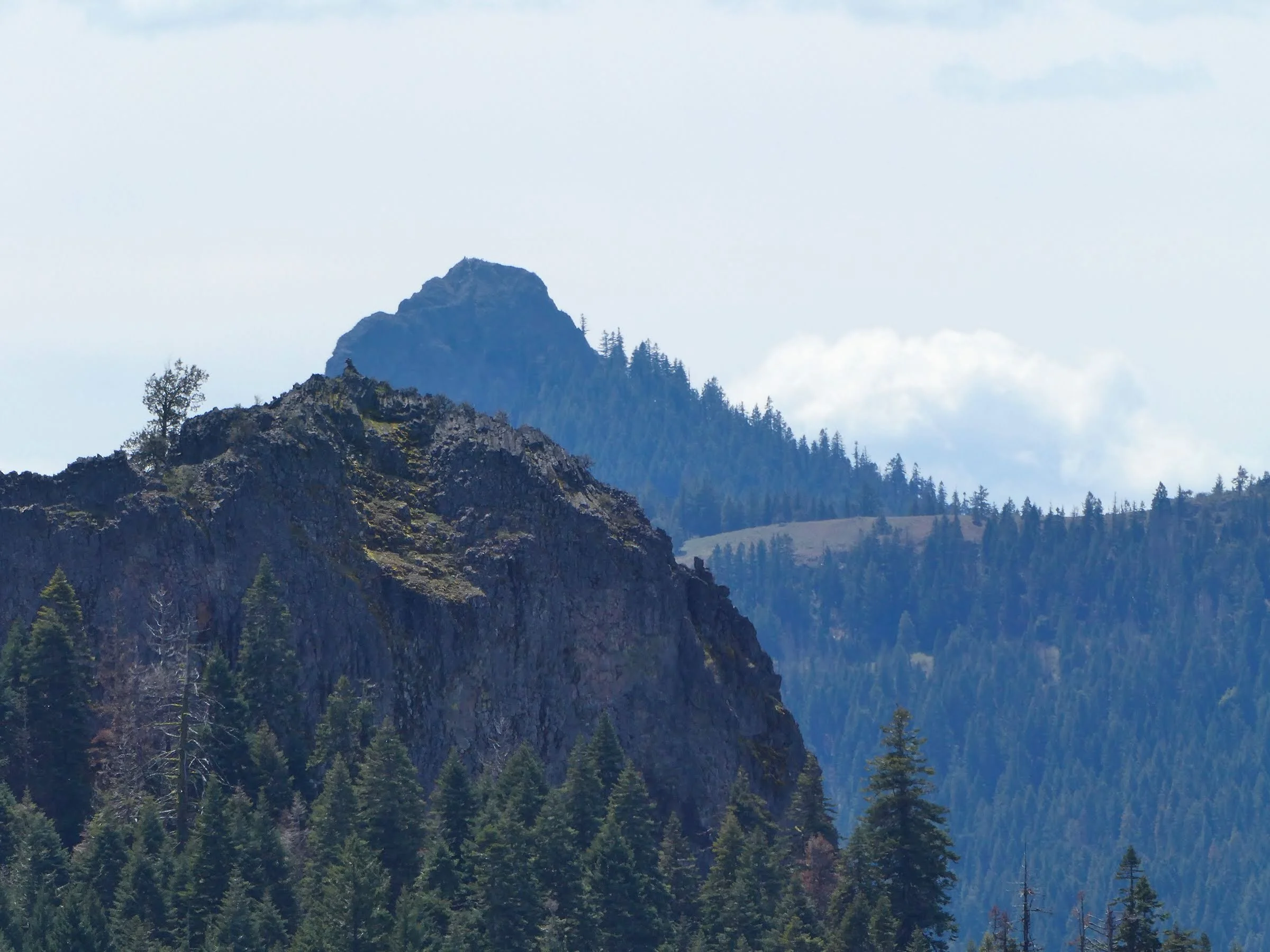
The proposed expansion extends the ski area into the 9,477-acre McDonald Peak Roadless Area, the largest undeveloped piece of land in the eastern Siskiyou Range.

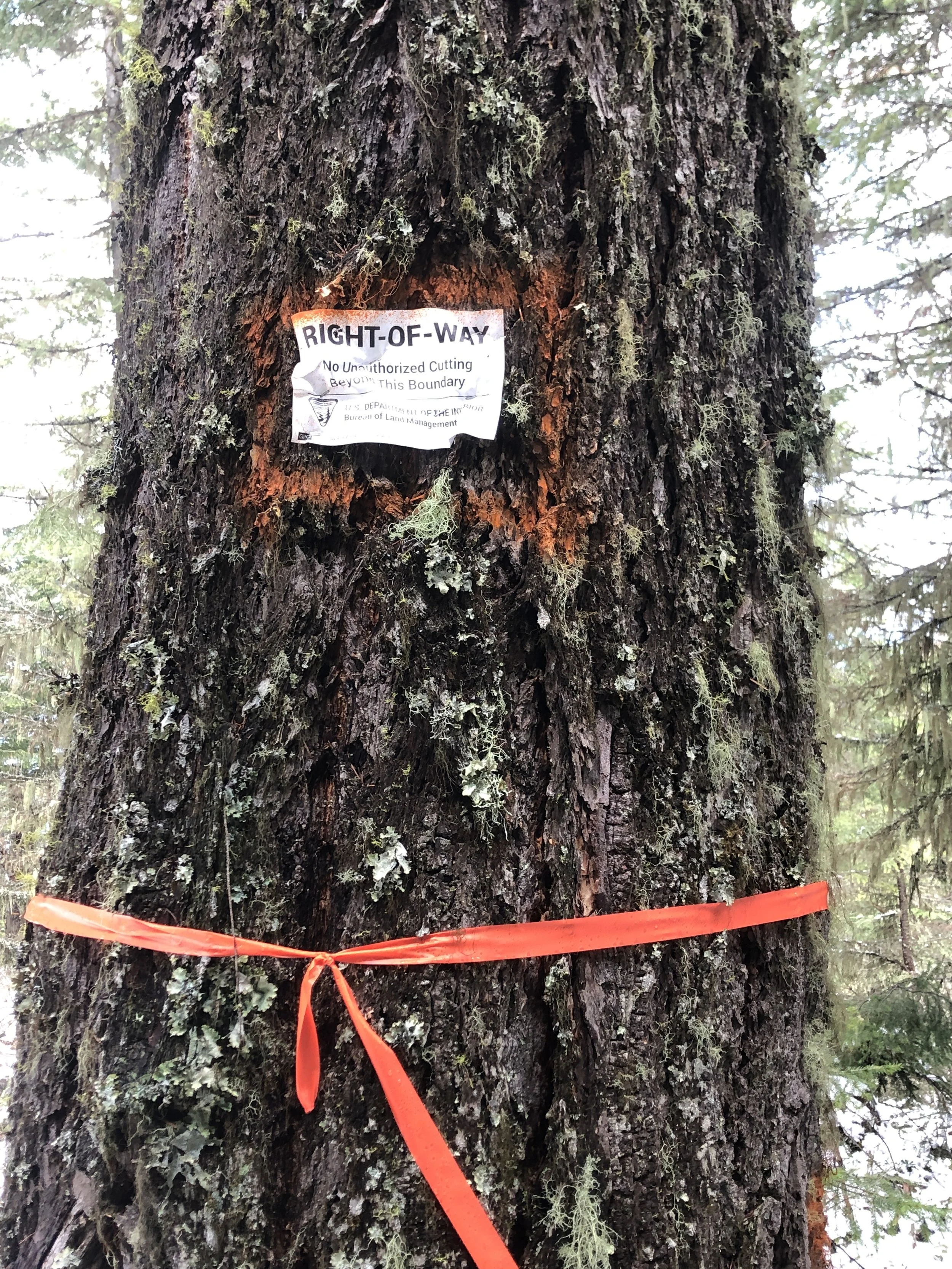
Shasta Red Fir in the proposed expansion area.
Part of the proposed Siskiyou Crest Wilderness additions, this large tract of unroaded and undeveloped land is a very important part of the ecosystem that links together the Cascade Mountains to the east and the rest of the Siskiyou Range to the west. It is one of the few places in the eastern Siskiyou that holds many of the same aesthetic and ecologic characteristics that existed here prior to the extensive logging, grazing, and road-building that has taken place over the last 150 years. Take a walk (or ski off-track) in the McDonald Peak Roadless Area and you'll get a sense of how special this wildland is, and just how close it is to Ashland.
Endangering Plant and Animal Habitat
The proposed expansion fragments 500 acres of old growth forest that is
recognized as prime habitat for the northern spotted owl, great gray owl,
red tree vole, Pacific fisher, Siskiyou Mountain salamander, mountain lion,
black bear, the rare Arctic Blue butterfly, and numerous other species of
animals and insects.

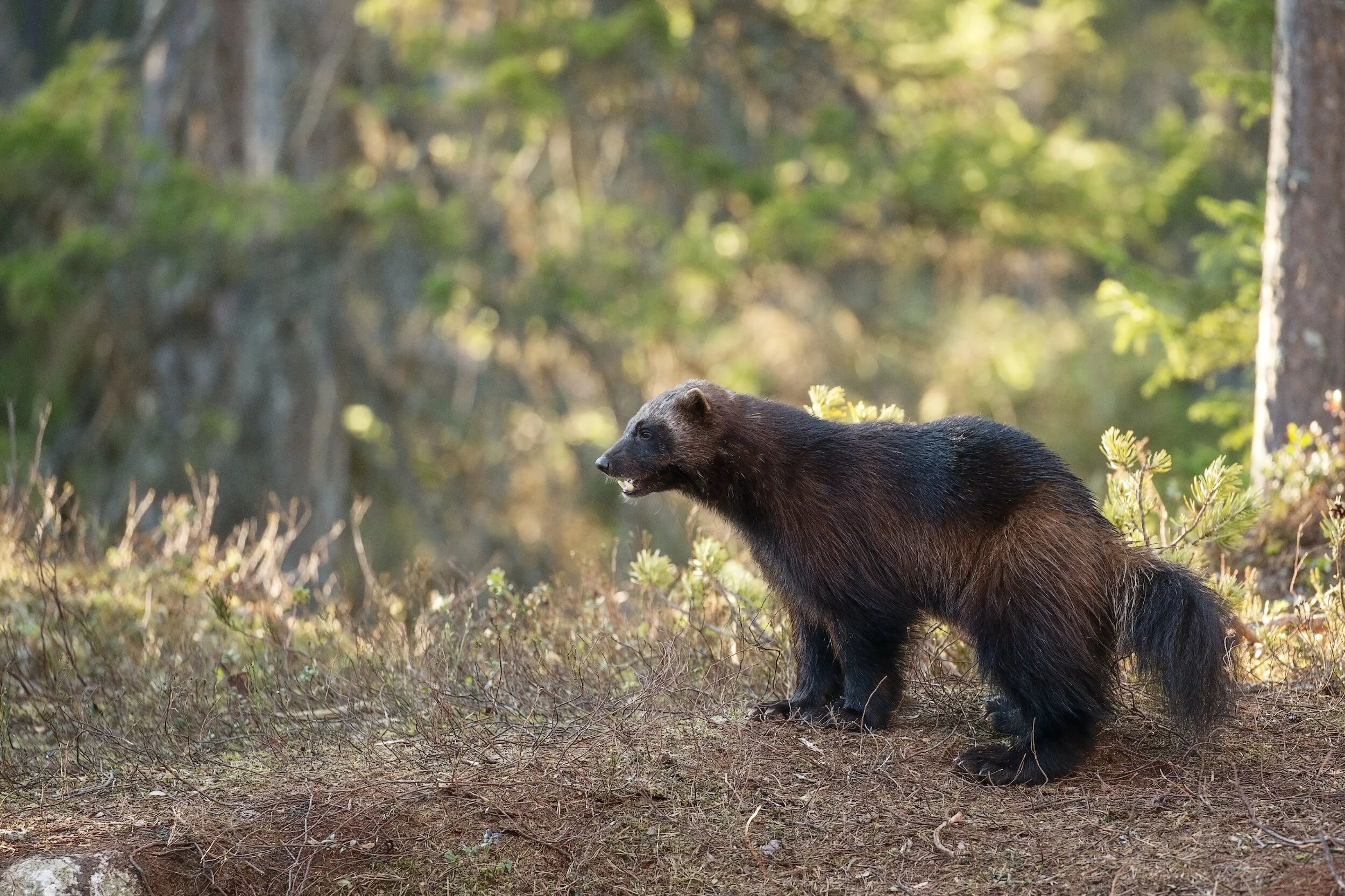
Pacific fisher, which has been petitioned to be listed under the
Endangered Spcies Act, seen here in the expansion area using a remote
camera.
Photo by E. Wier.
Two rare plants are found within the proposed expansions area, the Henderson's horkelia and Mount Ashland lupine. The lupine grows only on Mount Ashland and the horkelia grows in a few other small areas on the Siskiyou Crest but its largest occurrence is on Mount Ashland. The proposed expansion will directly impact the Mount Ashland lupine by placing ski runs over some plants , which grows within a 43 acre area here and nowhere else in the world. The horkelia will be similarly impacted. In an already highly fragmented ecosystem, intact corridors are essential and the proposed expansion take yet another piece out of the majestic puzzle of Siskiyou Mountain habitat.
Degrading Ashland's Watershed and Water Quality
Quite simply, if you go to the top of a mountain and clear-cut forests,
build roads and buildings, install lift towers, expand a parking lot, and
install a mile of underground utility lines, you are going to cause
substantial erosion and soil compaction. Mount Ashland has steep slopes,
highly erosive soils formed from decomposed granite, and a moist climate--a
recipe for erosion. Lying just downhill and downstream from the ski
area is the Ashland Watershed. Where will all that eroded sediment
go?

Headwaters of Ashland Creek below the ski area.
Downhill, of course. And eventually into the reservoir. The Forest Service claims that there won't be much erosion in the first place and that they will catch all of the sediment that goes into the streams. Seem unlikely? It is.
The proposed expansion also puts ski runs and a bridge in sensitive wetland areas in the Middle Branch watershed. Wetlands are especially sensitive to disturbances such as tree removal and soil compaction, both of which will occur under the expansion plan.
Financial Stability of Ski Ashland
Despite costing several million dollars to implement the proposed
expansion, the ski area would assume a higher cost of operation that would
require a significant upturn in business to keep from losing money.
The Mount Ashland Ski Area has never made large profits and doesn't even
have the money to build their proposed expansion. Assuming they were
able to raise the millions needed to expand--if expansion is approved in the
first place--they will be extremely cash-strapped and vulnerable to any
downturn in business whether caused by another dry year or a decrease in
skier traffic. Do we want to sacrifice our wildlands, clean water,
old-growth forests, unique plants and animals for a ski area that will
likely be operating tenuously under the shadow of bankruptcy? Since
the ski area opened in 1963, it has gone bankrupt or been bailed out
financially three times, most recently in 1991 after two years of poor snow.
Ultimately, should Mount Ashland fail again, the City of Ashland will
be held responsible for all costs of "restoring" the ski area to an
undeveloped form since the City bailed out the last financial failure in
1991.
Uncertain Snow Levels
The proposed expansion would build ski runs down to 5,950 foot elevation on
a mountain known to have wildly variable snow conditions. According to
the Forest Service, the lowermost portions of an expanded ski area will have
at least 14% less snow than the lodge area. This means that in low
snow years there may not be enough snow at the base of the expanded area to
keep the runs open. Using the Forest Service's and Mount Ashland
Association's own data, it is estimated that 6 years since 1977 would have
had inadequate snow to keep the proposed lower elevation runs open
throughout the ski season; this equals about 10% of the time the ski area is
open for the season. Climate change is an unkown variable that may
contribute to a continued decrease in snow levels.