
Defending Biodiversity in the Klamath-Siskiyou
KS Wild's mission is to protect and restore wild nature in the Klamath-Siskiyou region of southwest Oregon and northwest California. We promote science-based land and water conservation through policy and community action. We envision a Klamath-Siskiyou region where local communities enjoy healthy wildlands, where clean rivers are teeming with native salmon, and where connected plant and wildlife populations are prepared for climate change.
KS Wild achieves this vision through outreach and advocacy-based education, by building community support for the conservation of the region’s special places and natural gems, by being the watchdog and steward of northern California and southern Oregon’s public lands, public trust waters, and the diversity of plant and animal life.
Protecting Forests
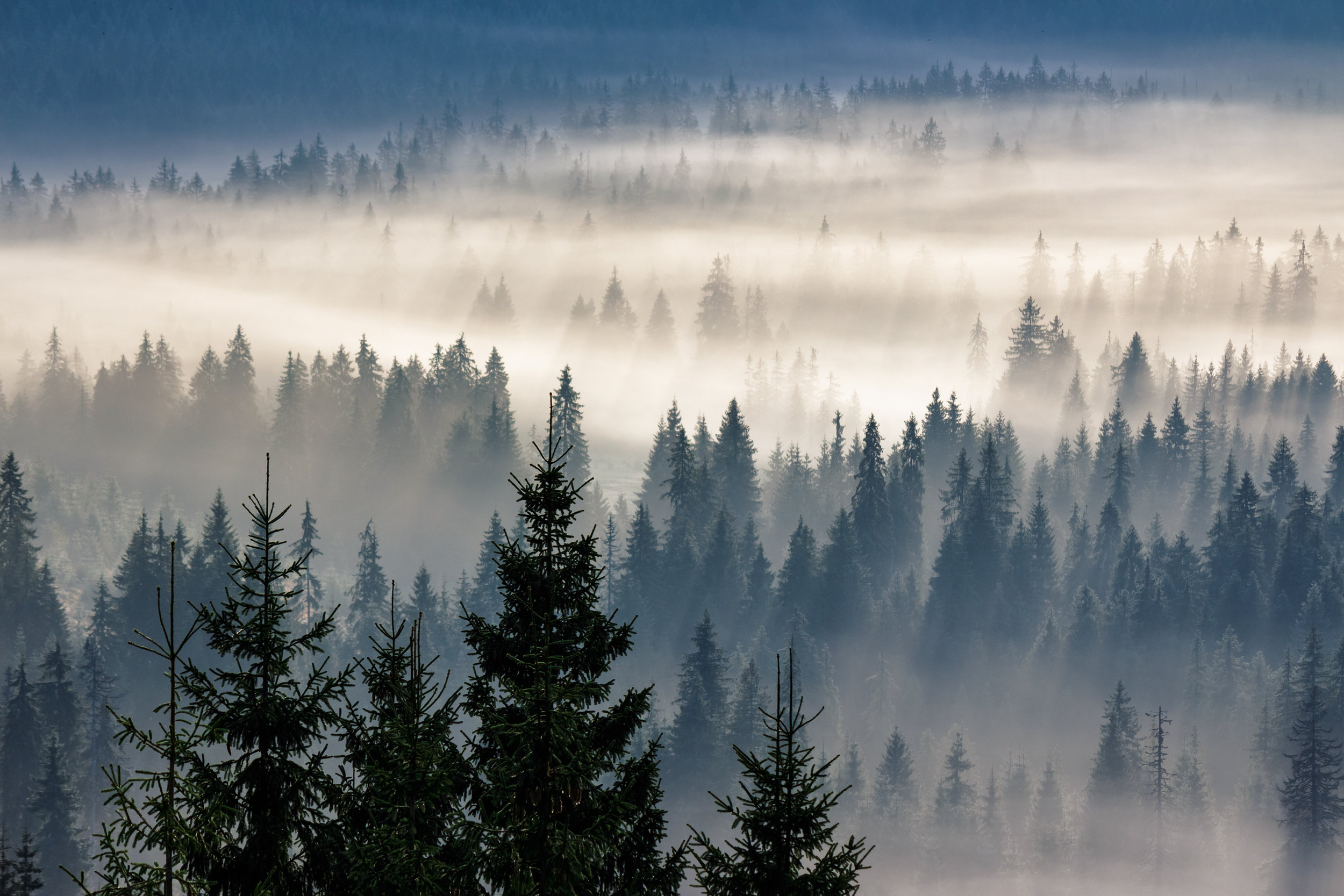
Focusing of the public lands that comprise the Rogue and Klamath River watersheds, KS Wild monitors and influences federal management of over 8 million acres of forest.

Retaining Wildlands
The Klamath-Siskiyou region is home to the largest expanse of wildlands on the West Coast. Some of these pristine wild areas are protected as Wilderness Areas or through other administrative designations, but many other wilderness-quality lands are waiting to be protected and face a variety threats.
Preserving Clean Water
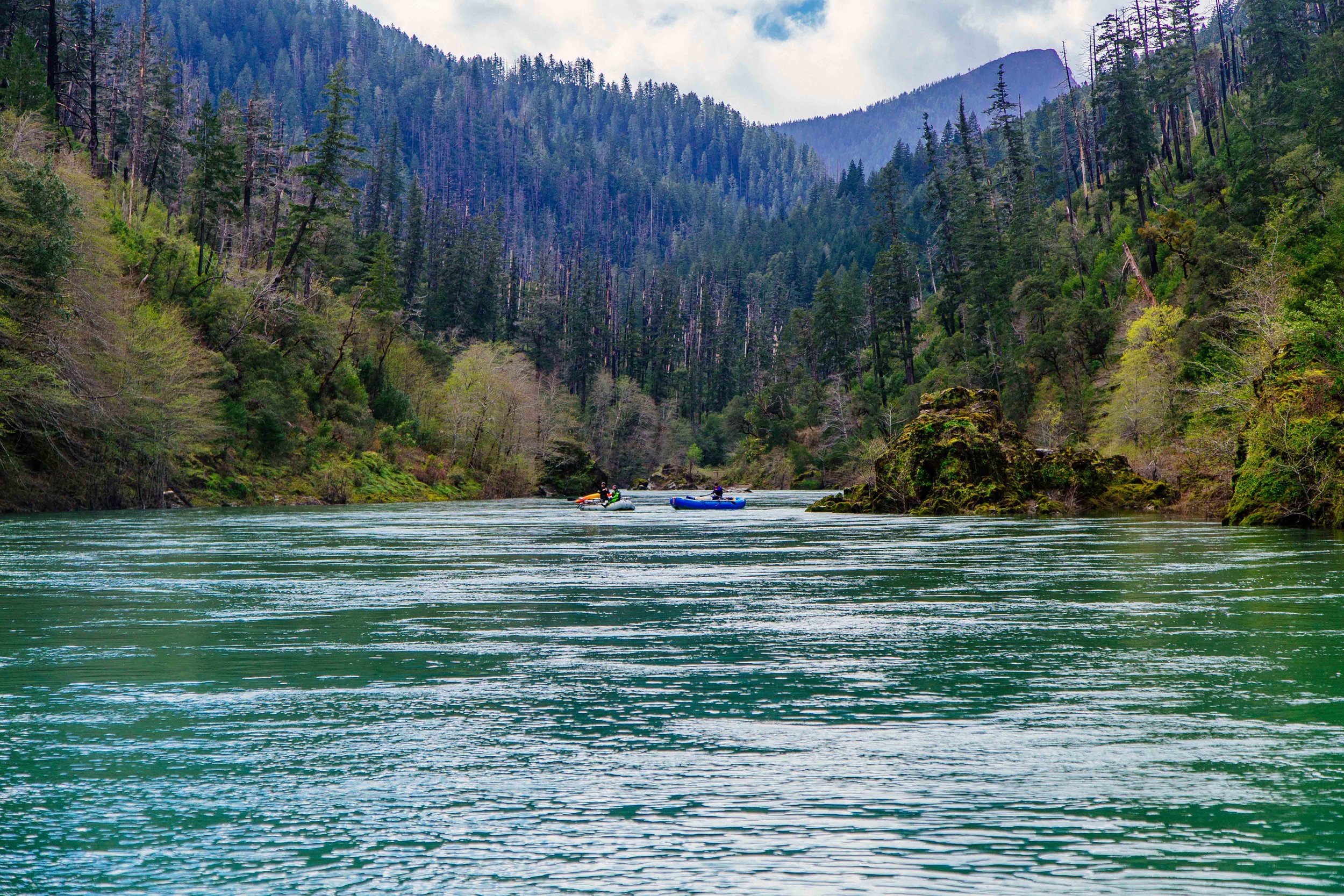
All of our work to protect public lands supports healthy forests and ecosystems in our nearby watersheds that collect, filter, store, and provide fresh clean water to many species, including us.

Safeguarding Wildlife
The Klamath-Siskiyou is refuge for healthy populations of unique species and host to many ecosystems that form networks and corridors for wildlife.
